Analyzing Community-Driven Content Creation Within Multiplayer Adventure Game Ecosystems
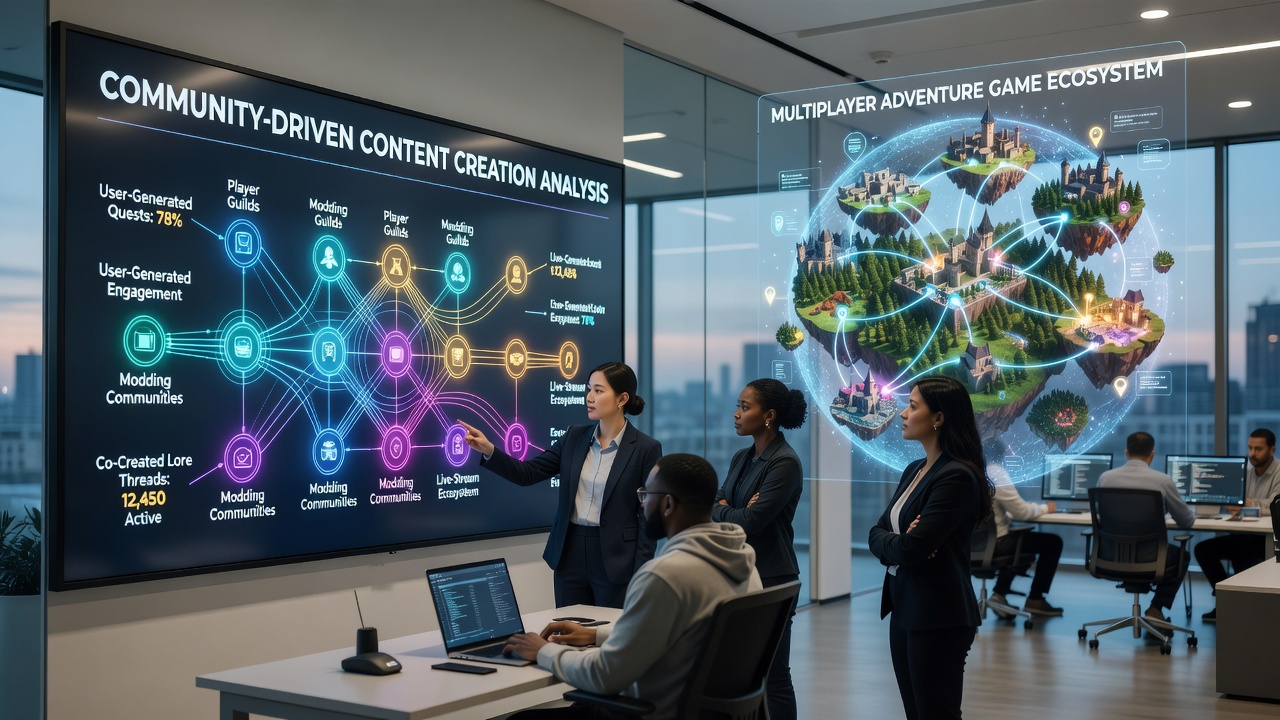
Community-driven content creation has become a central feature in multiplayer adventure game ecosystems, where players design, share, and iterate on maps, mods, and narrative elements that extend game longevity far beyond developer releases. Data from industry reports shows that user-generated assets account for a growing share of playtime in titles like Minecraft and Roblox, with figures indicating over 60 percent of active sessions involving custom content by mid-2026.
Core Components of These Ecosystems
Multiplayer adventure games rely on platforms that support real-time collaboration, version control for user files, and integrated marketplaces for distribution. Researchers at universities across North America have documented how these systems enable seamless uploading of terrain edits, character skins, and quest scripts, while moderation tools filter for compatibility issues. In practice, developers supply APIs that let communities build expansions, and this setup creates feedback loops where popular creations influence official updates released in cycles such as the July 2026 patches.
Observers note that economic models within these ecosystems often include revenue sharing for top creators, which encourages sustained participation. Figures from the Entertainment Software Association reveal that digital marketplaces tied to adventure games generated billions in transactions last year, with a significant portion stemming from community assets rather than base game sales.
Patterns in Content Development and Sharing
Players typically begin with simple modifications such as new biomes or item tweaks before advancing to complex story arcs that integrate multiple users across servers. What's interesting is how social features like in-game forums and external Discord channels accelerate iteration, allowing groups to test builds in live environments and refine them based on collective input. Studies from European research institutions indicate that collaborative projects in these spaces see completion rates nearly double those of solo efforts, because contributors divide tasks ranging from coding to visual design.
Distribution happens through built-in browsers or third-party hubs, where ratings and download metrics guide visibility. Data shows that top-rated community maps in adventure titles receive millions of plays within weeks of upload, creating viral effects that draw new participants into teh ecosystem. Yet the process also involves challenges around intellectual property, as creators navigate licenses that permit remixing while protecting original assets.
Technological Supports and Emerging Trends
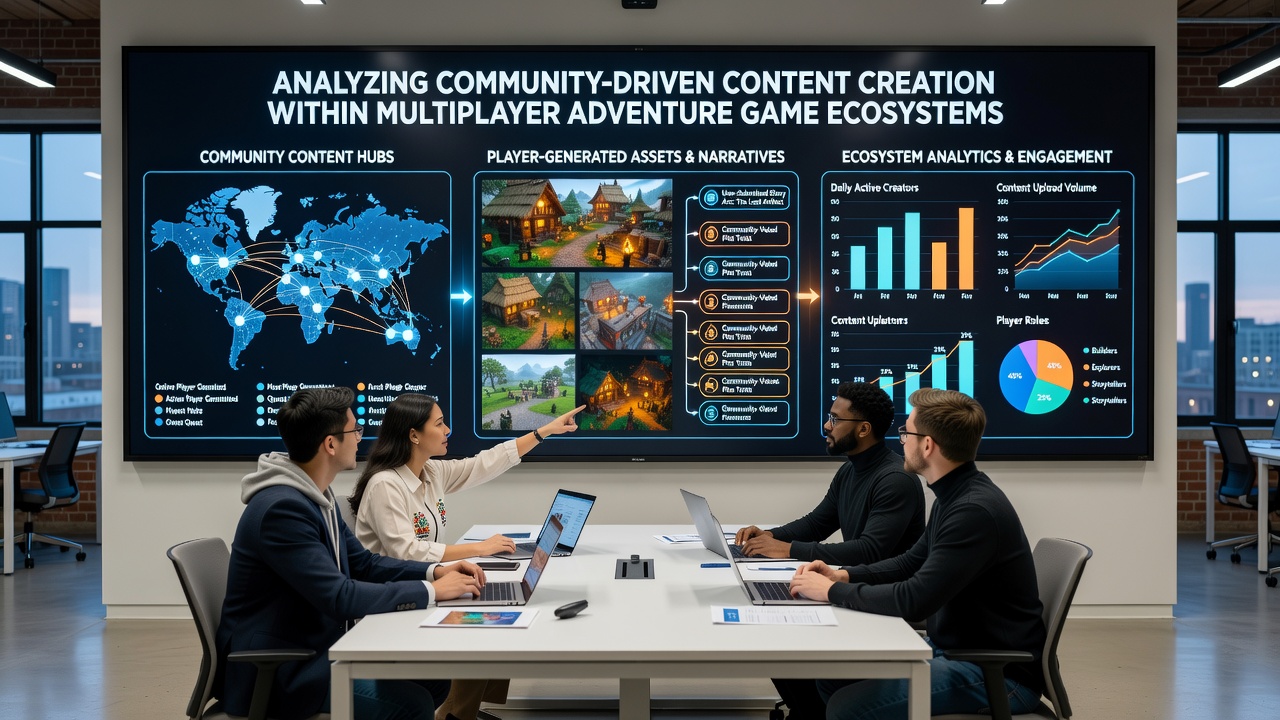
Engine updates have introduced better support for procedural generation tools that communities adapt for custom worlds, and this has led to increased experimentation with AI-assisted elements in map building. According to reports from the Interactive Games and Entertainment Association in Australia, adoption of such tools rose sharply between 2024 and 2026, enabling faster prototyping of adventure scenarios that span dozens of hours. Platforms integrate analytics dashboards that let creators track engagement metrics in real time, which informs decisions about scaling projects or forming teams.
Security protocols play a key role too, with automated scans detecting malicious code in shared files before they reach wider audiences. Those who've examined these systems find that transparent reporting mechanisms reduce incidents, while still preserving the open nature that fuels creativity. In July 2026, several major titles rolled out enhanced cross-platform compatibility features that further lowered barriers for international contributors to co-develop content.
Impact on Player Retention and Game Longevity
Evidence from longitudinal player data indicates that ecosystems rich in community content maintain higher retention rates over multi-year periods compared to titles without such features. Players return not only to consume but also to contribute, which generates organic marketing through shared experiences on streaming services. Research indicates that adventure games with active creation communities experience slower decay in monthly active users, because fresh content continually refreshes the experience without requiring constant developer intervention.
Case examples include large-scale events where thousands of users collaborate on seasonal challenges, resulting in maps that incorporate player-submitted lore and mechanics. These events often align with broader platform updates, and the resulting assets become part of official rotation. Such patterns demonstrate how community input directly shapes the evolution of game worlds over time.
Conclusion
Community-driven content creation within multiplayer adventure game ecosystems operates through interconnected technical, social, and economic layers that sustain ongoing development. Data from varied sources shows measurable effects on engagement, distribution, and innovation, while highlighting the infrastructure needed to manage scale and security. As platforms continue to evolve, these dynamics remain central to how adventure games maintain relevance across global player bases.