Bridging Genres: How Multiplayer Modes Integrate Racing Dynamics with Puzzle and Strategy Challenges
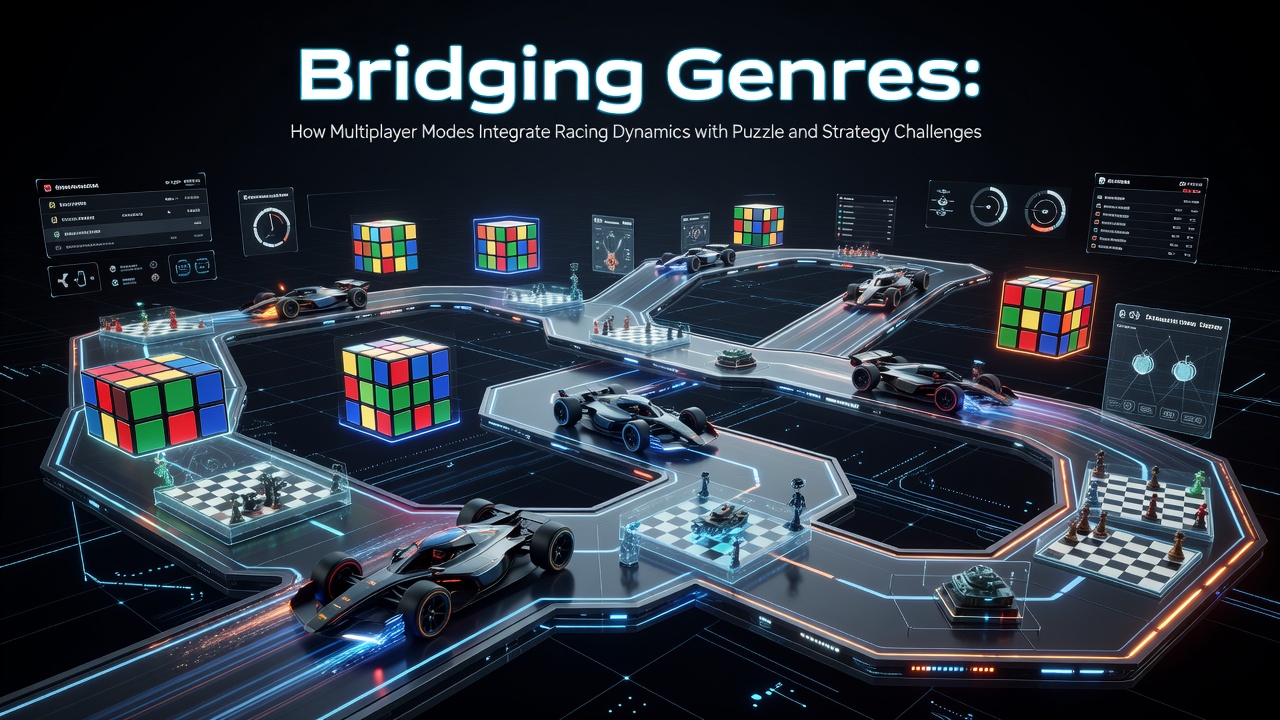
Game developers have expanded multiplayer formats by merging high-speed racing mechanics with puzzle solving sequences and strategic decision trees; players navigate competitive tracks while completing logic-based obstacles that affect race outcomes and team positioning. This integration creates layered gameplay where velocity management intersects with pattern recognition and resource allocation during shared sessions.
Mechanics Behind Hybrid Multiplayer Systems
Racing cores rely on acceleration curves, track navigation, and overtaking maneuvers, yet designers layer in puzzle components such as rearranging track segments through collaborative inputs or decoding environmental codes to activate boost zones. Strategy enters when teams allocate limited tools like temporary barriers or route modifiers that require coordinated planning across multiple participants. Data from industry reports shows these combinations appear in titles released between 2023 and 2025, with participation metrics rising as modes allow both solo progression and group synchronization.
According to figures released by the Entertainment Software Association, hybrid racing experiences accounted for increased download shares in North American markets during 2024, while similar patterns emerged in Asian development studios focusing on mobile cross-platform titles. Players must balance immediate speed choices against longer-term puzzle resolutions, because incorrect solutions can trigger slowdown penalties or open alternate paths that reward foresight.
Player Interaction Patterns Across Regions
Multiplayer lobbies often split participants into roles where some focus on pure racing lines while others handle puzzle interfaces that influence shared objectives like clearing debris fields or aligning energy nodes. European developers have documented these role divisions in design papers presented at industry conferences, noting that communication tools within games help synchronize actions without halting momentum. Observers note that such setups reduce isolation in competitive environments because puzzle elements demand real-time input from multiple users rather than isolated problem solving.
Integration Examples in Contemporary Titles
Several released games demonstrate these blends through specific features. One title incorporates memory-matching sequences at checkpoints where racers must recall prior track layouts to unlock shortcuts, forcing strategic recalls amid ongoing competition. Another uses resource trading systems that let players exchange puzzle solutions for temporary vehicle upgrades, turning individual discoveries into team advantages during endurance events. Research from university labs in Australia indicates these mechanics extend session durations because participants revisit stages to optimize both speed and puzzle efficiency.
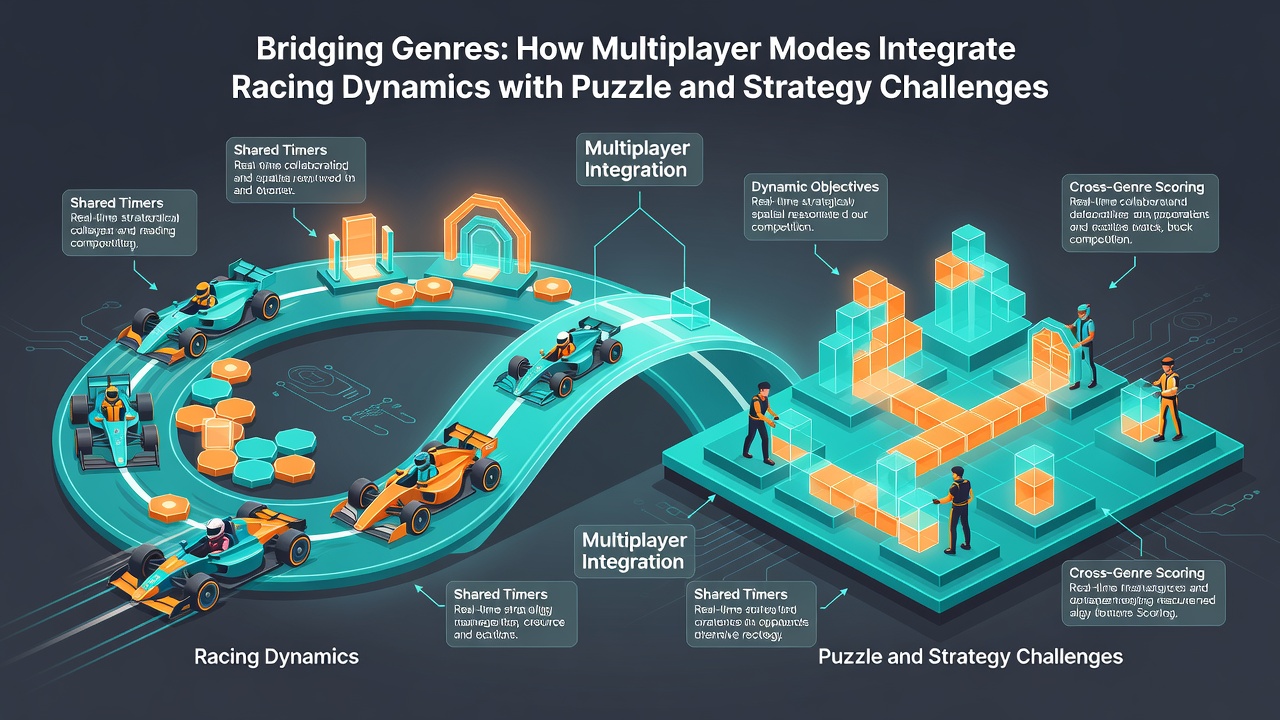
June 2026 brings scheduled updates to several platforms that expand these systems further, with new puzzle layers tied to seasonal events and strategy cards drawn from player inventories. These additions build on existing frameworks where racing velocity directly impacts puzzle time limits, creating pressure that rewards precise coordination.
Data Trends and Engagement Metrics
Industry analyses reveal that titles featuring integrated modes maintain higher retention rates across weekly play cycles compared to pure racing or standalone puzzle formats. Canadian regulatory bodies tracking digital entertainment have recorded growth in cross-genre multiplayer participation, particularly among users aged 18 to 34 who engage in both competitive leaderboards and cooperative puzzle clears. Turns out these statistics align with broader shifts toward accessible yet deep experiences that accommodate varied skill levels within the same session.
What's interesting is how developers calibrate difficulty curves so that racing advantages can offset puzzle setbacks and vice versa, maintaining balance across skill disparities. External studies from academic groups in the European Union have examined latency effects on these hybrid systems, confirming that optimized servers support simultaneous puzzle inputs without disrupting race flow.
Design Considerations for Developers
Teams address synchronization challenges by implementing modular track sections that adapt based on puzzle completion rates, allowing strategy choices to reshape environments mid-race. Active voice dominates development discussions where programmers test variable load times for puzzle assets during high-speed segments. Those who've studied player behavior find that clear visual cues help transition between racing focus and puzzle attention without breaking immersion.
Additional examples include games that embed strategy maps accessible only during pit stops, where teams plot upcoming puzzle solutions while managing fuel and repair resources. These elements connect directly to race standings because successful strategies yield position gains that pure speed alone cannot achieve.
Conclusion
Multiplayer modes continue to evolve by embedding puzzle sequences and strategic layers into racing frameworks, supported by measurable engagement data and ongoing platform updates scheduled through 2026. Such designs foster interactions where speed, logic, and planning operate as interdependent systems rather than separate activities. Continued refinement from global development communities ensures these integrations remain functional across devices and player counts.