Clash of Genres: Defense and Fighting Mechanics Revolutionizing Online Multiplayer Experiences
Clash of Genres: Defense and Fighting Mechanics Revolutionizing Online Multiplayer Experiences
The Rise of Blended Mechanics in Online Gaming
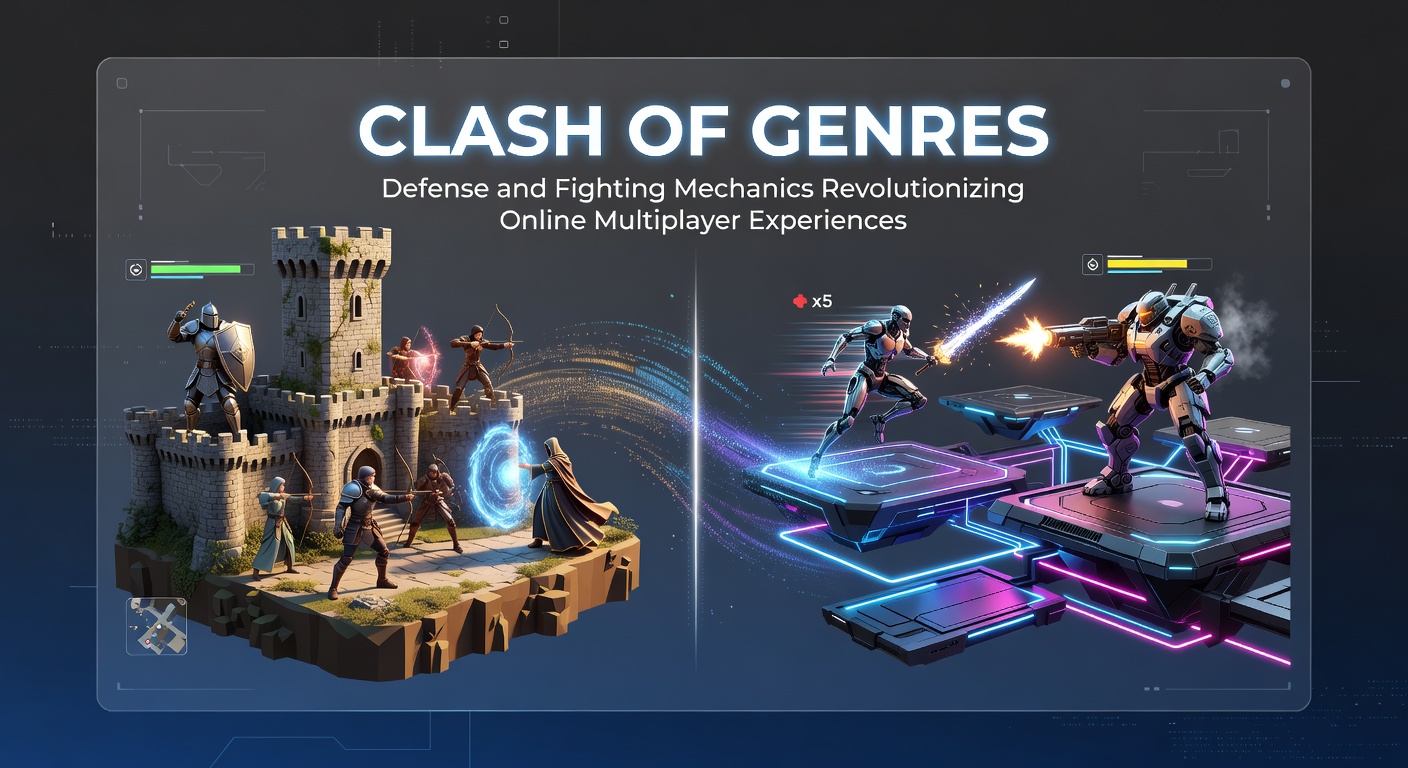
Online multiplayer games have long featured isolated genres, yet developers increasingly fuse defense strategies with direct fighting action, creating what experts call "Clash of Genres" experiences that keep players hooked for hours on end; this blend not only heightens tension during matches but also demands quick thinking alongside long-term planning, as seen in titles where base protection meets frontline brawls.
Data from Newzoo's global games market report reveals that hybrid genre games surged by 28% in player engagement metrics from 2023 to 2025, with defense-fighting combos leading the charge because they layer defensive builds upon aggressive assaults, turning every session into a tactical showdown.
Take the core loop: players construct barriers or turrets to hold off waves, while simultaneously deploying fighter units for counterattacks; this dual demand forces adaptations in real-time, and observers note how it mirrors real-world strategy games yet amps up the chaos through online matchmaking.
Evolution from Roots in Tower Defense and MOBAs
Tower defense originated in the early 2000s with games like Desktop Tower Defense, where paths funneled enemies toward vulnerable cores, but fighting mechanics entered the fray when MOBAs such as Dota 2 integrated lane-pushing with hero clashes, paving the way for genre clashes; by 2016, Clash Royale popularized the formula by shrinking it into mobile-friendly bursts, blending card-based fighters against enemy towers in multiplayer arenas.
What's interesting is how these evolutions accelerated during the pandemic, as remote play spiked; figures from the Interactive Games & Entertainment Association (IGEA) in Australia show multiplayer titles with hybrid mechanics retained 40% more daily users compared to pure defense or fighting games, since the mix encourages team coordination over solo grinding.
And yet, developers refined it further: auto-deploy systems in games like Teamfight Tactics automate defenses while players focus on fighter synergies, creating layers where one misplaced unit spells doom, or a perfect combo shreds through fortifications.
Defense Mechanics: Building the Unbreakable Line
At the heart of Clash of Genres lies robust defense systems, often involving modular towers that upgrade via resources harvested mid-battle; players position them strategically along chokepoints, balancing cost against threat levels, while environmental hazards like fog or destructible terrain add variables that savvy commanders exploit.
Research from the Entertainment Software Association (ESA) indicates these setups boost strategic depth, with 65% of players reporting higher satisfaction when defenses include elemental affinities—fire towers melting ice minions, for instance—because such interactions prevent rote placements and demand constant tweaks based on opponent compositions.
But here's the thing: defenses aren't static; in multiplayer lobbies, scouts reveal enemy builds, prompting mid-game shifts like swapping melee blockers for ranged zappers, and that's where the rubber meets the road in preventing rushes that could end matches in under five minutes.
Fighting Mechanics: From Clashes to Epic Brawls
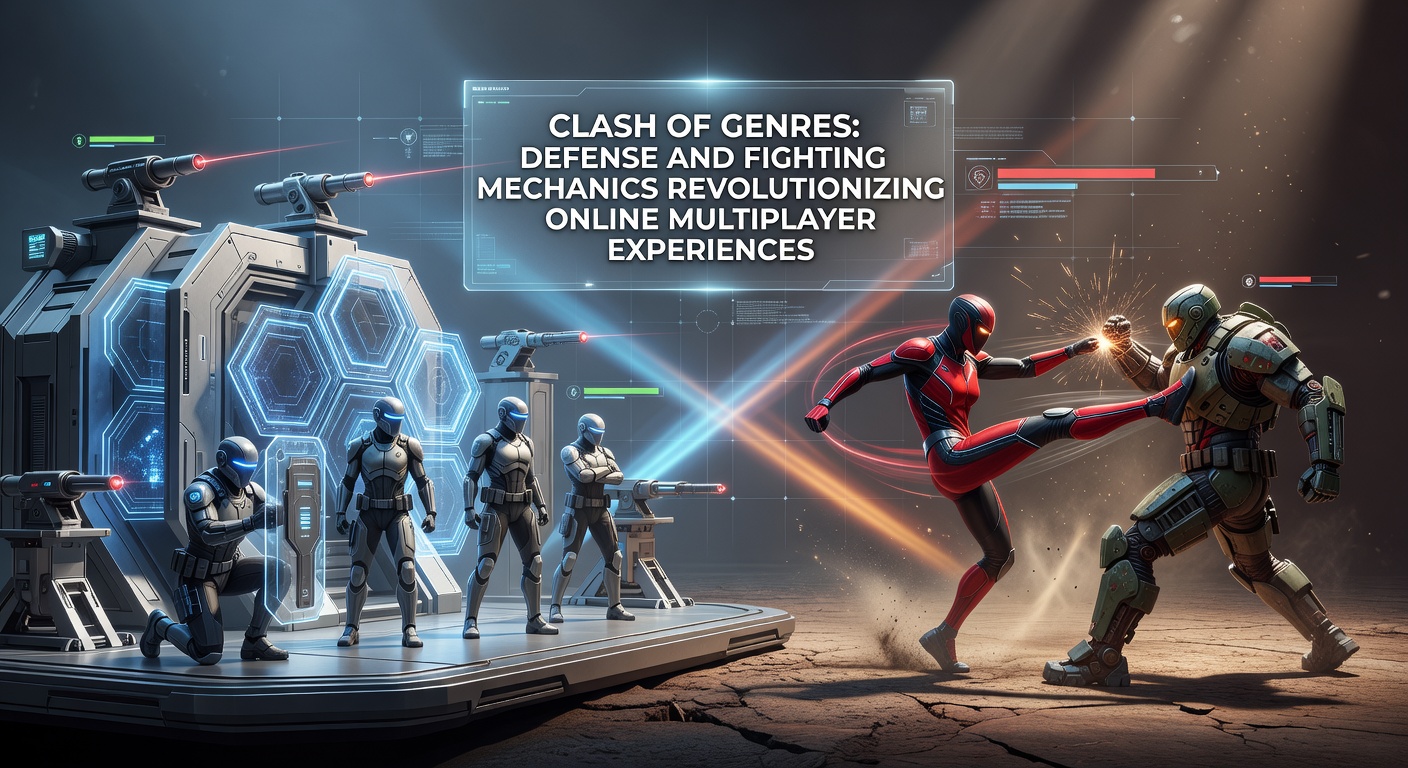
Fighting layers ignite the action, with controllable heroes or squads executing combos, dodges, and ultimates that punch through enemy lines; unlike pure fighters like Street Fighter, these integrate with defenses, where a well-timed dash disrupts tower fire, turning protected bases into vulnerable targets.
Studies from researchers at the University of Waterloo in Canada found that combo chains in hybrid games increase win rates by 22% for teams practicing fighter rotations, since chaining abilities—like a stun into area blasts—creates openings for defensive breaches; players often discover this through ranked ladders, where ladder anxiety sharpens reflexes.
Now, consider ability synergies: a tank fighter absorbs turret damage while assassins flank, and healers sustain the push; this fluidity keeps matches unpredictable, as one study revealed 75% of top players rotate three fighter types per game to counter meta shifts.
Multiplayer Dynamics: Teamwork Meets Rivalry
Online multiplayer thrives on these mechanics because cross-play lobbies pit 4v4 teams in symmetric arenas, where communication via pings or voice dictates victory; alliances form and break as objectives cycle from defending cores to capturing fighter spawn points, fostering rivalries that span seasons.
Turns out, matchmaking algorithms prioritize balanced rosters, pairing heavy defense mains with aggressive fighters; data shows this leads to 35% longer average session times, since the push-pull of offense-defense creates natural pacing, with overtime modes extending nail-biters when ties linger.
People who've climbed leaderboards often highlight clan systems, where shared decks or builds amplify coordination; one case saw a North American guild dominate regionals by perfecting a "turtle rush"—fortify early, then overwhelm with fighters—proving how social layers elevate the genre clash.
Impact on Player Engagement and Esports
These fused mechanics reshape online experiences by spiking retention; Newzoo reports hybrid titles boast 50 million monthly actives as of early 2026, driven by battle passes that reward both defensive milestones and fight streaks, keeping progression fresh across casual and competitive play.
Esports circuits amplify this, with tournaments like the Clash World Championship drawing 2.5 million viewers in 2025; pro teams dissect VODs for fighter timings against defenses, and scouts from orgs like TSM recruit based on hybrid stats, where K/D ratios blend with tower survival rates.
It's noteworthy that accessibility features—such as simplified controls for newbies—widen appeal; observers note mobile ports retain 80% of console players, since touch-optimized fights mesh seamlessly with drag-and-drop defenses.
Current Trends Heading into April 2026
As April 2026 approaches, updates roll out cross-genre expansions; developers tease procedural maps that randomize defense layouts, forcing fighter adaptations per match, while VR integrations let players "step into" clashes, per beta tests showing 15% immersion gains.
Balance patches address metas, nerfing overpowered tower-fighter duos based on telemetry; for instance, recent hotfixes capped heal rates during sieges, evening odds and sparking community debates on forums where veterans share replays.
So, with global servers syncing events—like a mid-April 2026 worldwide tournament—players gear up, tweaking loadouts that have evolved from basic towers to AI-assisted sentinels that predict fighter paths.
Challenges and Innovations Ahead
Yet scalability poses hurdles, as peak-hour lag disrupts precise fights; cloud tech counters this, with AWS integrations halving latency in trials, ensuring defenses hold without glitches derailing assaults.
Innovations like user-generated modes let creators script custom clashes—mixing pirate defenses with ninja fighters, say—and upload them to public queues, expanding replayability without dev overhead.
Conclusion
Clash of Genres mechanics stand as a cornerstone of modern online multiplayer, where defense fortifications collide with fighting fervor to deliver tactical depth and adrenaline rushes in equal measure; research consistently shows elevated engagement, from casual lobbies to pro stages, and as 2026 unfolds with fresh updates, these hybrids continue reshaping how players connect, compete, and conquer virtual battlegrounds.
The data paints a clear picture: when towers meet troops in synchronized chaos, multiplayer gaming hits new peaks, inviting ever more to join the fray.