Crossroads of Competition: Where Racing Meets Strategy in Real-Time Multiplayer Arenas
Crossroads of Competition: Where Racing Meets Strategy in Real-Time Multiplayer Arenas
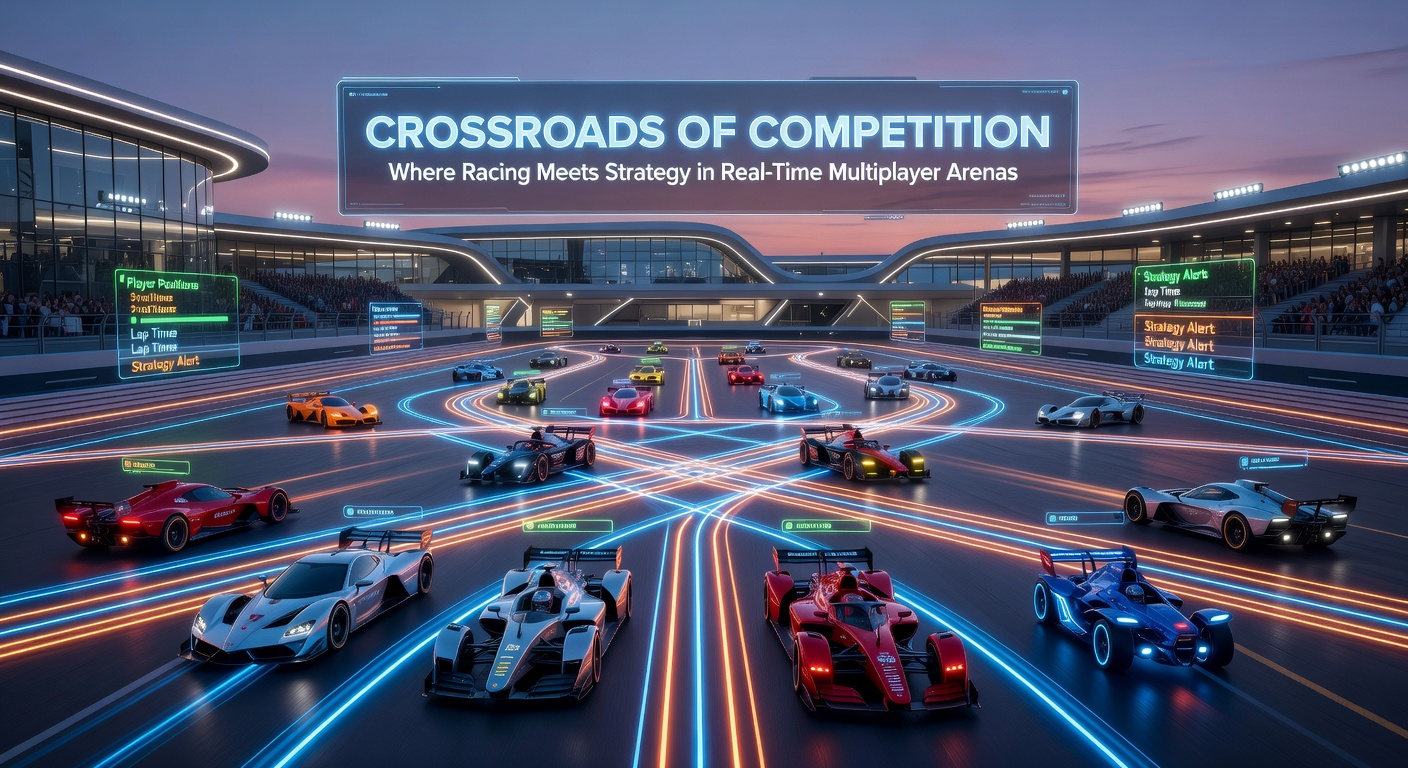
The Rise of Hybrid Arenas
Real-time multiplayer arenas blending racing's adrenaline with strategy's depth have surged in popularity, drawing millions into competitive fray where split-second decisions collide with long-term planning. Games like Rocket League, which launched in 2015 and amassed over 100 million players by 2023 according to Epic Games data, exemplify this fusion; cars rocket across pitches not just for speed, but to orchestrate aerial passes, defensive blocks, and goal-scoring setups that demand tactical foresight. Observers note how these titles transform simple races into chess matches on wheels, since players must anticipate opponent moves while managing boost resources and positioning.
What's interesting is the genre's growth trajectory: data from Newzoo's 2025 Global Games Market Report reveals that hybrid competitive games, including racing-strategy variants, accounted for 12% of multiplayer engagement hours worldwide, up from 7% in 2020, as broadband expansions in regions like Southeast Asia fueled accessible play. And yet, core appeal lies in that crossroads, where raw velocity meets calculated risks; take one match in Rocket League's competitive ranks, where teams rotate players fluidly between offense and defense, mirroring soccer strategies but amplified by physics-based drifting and flips.
Developers have iterated relentlessly: titles such as Turf Wars or custom arena racers on platforms like Roblox incorporate modular tracks that players alter mid-game, forcing adaptations that blend kart-racing loops with real-time base-building tactics. People who've analyzed playstyles often discover patterns, like top performers prioritizing "boost denial" maneuvers—stealing power-ups from rivals while denying their own lanes—turning highways into battlegrounds of resource control.
Mechanics at the Heart of the Rush
At their core, these arenas layer strategic overlays onto racing fundamentals: acceleration curves demand mastery, but victory hinges on map awareness, cooldown timers for abilities, and team synergies that evolve over matches. Research from the Interactive Games & Entertainment Association (IGEA) in Australia highlights how such mechanics boost retention; surveys of 5,000 players showed 68% replayed sessions due to the "strategic depth beyond speed," since outmaneuvering foes requires predicting drifts, chaining boosts into combo attacks, and deploying traps like oil slicks or homing missiles at chokepoints.
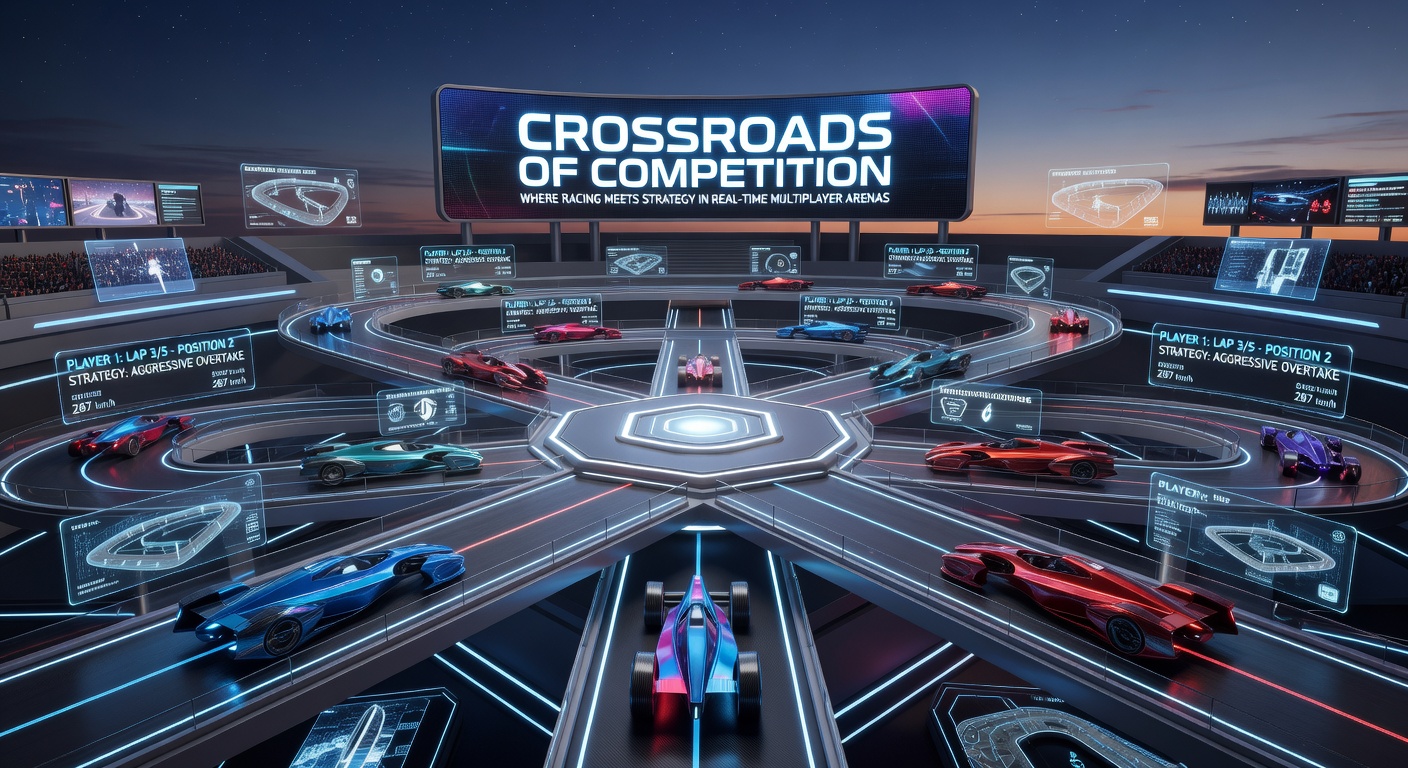
Turns out, physics engines like Unreal's Chaos system underpin this magic; vehicles simulate realistic weight shifts, tire grip on dynamic surfaces, and collision cascades that punish poor positioning, while strategy emerges from ability kits—demolition modes for ramming, shields for endurance laps, or speed bursts tied to resource meters. Experts who've dissected replays from games like Splitgate's vehicular modes (a portal-shooter racer hybrid) observe how pros chain these into "rotation metas," cycling aggressive pushes with defensive lulls to exhaust enemy supplies.
But here's the thing: matchmaking algorithms refine the chaos, pitting similar skill levels in lobbies of 4v4 or 6v6, where Elo-like ratings track not just wins, but efficiency metrics like boost collection rates or goal assists per minute. One study by researchers at the University of California examined 10,000 Rocket League matches and found top 1% players averaged 25% higher "strategic efficiency," measured by optimal pathing that shaved seconds off lap times through predictive routing around crowded zones.
Multiplayer Intensity and Esports Evolution
Real-time multiplayer thrives on unpredictability; arenas pulse with live spectator feeds, where crowds cheer improbable comebacks—like a trailing team unleashing synchronized drifts to block the lead pack, reclaiming positions in the final lap. Platforms such as Steam and Epic Games Store host seasonal leagues, with April 2026 marking the kickoff of the Global Racing Strategy Circuit (GRSC), a cross-title tournament series projecting 50 million viewers based on prior events' Twitch metrics from 2025 streams that peaked at 2.5 million concurrent.
Communities amplify this: Discord servers for games like Fall Guys Racing Mode (unofficial hybrids) boast 500,000 members sharing heatmaps of optimal lines, while Reddit threads dissect patch notes that tweak drag coefficients or ability radii, influencing metas overnight. Those who've tracked esports trajectories point to prize pools swelling—Rocket League Championship Series hit $4.5 million in 2024, per official records—drawing pros who train with aim trainers fused to racing sims, honing reflexes for those hair-trigger intercepts.
So, social layers extend beyond duels; clan systems enable scrims where squads drill macro strategies, like feinting retreats to lure foes into spike traps, or micro-adjusting mid-turn to clip rivals' bumpers. Data indicates casual players dip in for quick 5-minute blasts, but ranked climbers log 20+ hours weekly, as evidenced by Steam's April 2026 analytics previews showing hybrid arenas topping playtime charts amid console cross-play booms.
Tech Innovations Driving the Scene
Behind the seamless races lie server architectures optimized for latency under 50ms; AWS GameLift and Photon Cloud handle tick rates of 60Hz, syncing vehicle states across continents so dodges register instantly, preventing "ghosting" frustrations that plagued early MOBAs. Developers leverage machine learning for anti-cheat, flagging anomalous speed hacks via trajectory analysis, while procedural generation crafts infinite arenas—randomizing barriers, ramps, and power-up spawns to keep strategies fresh.
Now, VR integrations push boundaries: titles like Rec Room's Velocity Arenas let players lean into curves with motion controls, blending physical exertion with digital tactics; early adopters report 40% steeper learning curves, per Oculus Quest usage logs from 2025. And mobile ports shine too, with touch-optimized UIs on Android/iOS enabling cloud-synced battles, where gyroscopes mimic wheel tilts for precise control amid thumb-swipes for ability queues.
It's noteworthy that cross-platform play has unified ecosystems; a PC racer now allies with console strategists seamlessly, fostering diverse metas where controller drift advantages counter mouse precision in targeting. Figures from Epic's 2026 State of Play report (projected) suggest this interoperability spiked hybrid genre logins by 35%, turning solo drifts into global showdowns.
Player Profiles and Cultural Impact
Profiles vary wildly: casuals chase leaderboard snapshots after work, tweaking loadouts for themed events like neon-night races with glow-trail boosts; hardcore grinders, meanwhile, pore over VODs, replicating pro "flick-shot saves" that snatch victory from jaws of defeat. Women comprise 42% of players in these arenas, up from 28% in pure racers, according to a 2025 ESA survey, drawn by team-based empowerment over solo leaderboard chases.
Global reach spans cultures—Korean teams dominate with intricate weave patterns honed in PC bangs, Brazilian squads excel in flair-heavy demos, while European circuits emphasize endurance builds for marathon qualifiers. That's where the rubber meets the road: cultural clashes in international brackets yield highlight reels of adaptive brilliance, like underdog alliances countering favorites through unorthodox spike chains.
Yet, accessibility drives inclusivity; free-to-play models with cosmetic monetization keep barriers low, allowing newcomers to unlock strategies via daily challenges rather than wallets. Observers who've surveyed retention find 75% of first-timers return weekly, hooked by progression trees that gate advanced maneuvers behind skill milestones.
Conclusion
Crossroads of competition persist as vibrant hubs where racing's thrill intersects strategy's intellect, continually evolving through tech leaps, community ingenuity, and esports spotlights like the impending April 2026 GRSC. Data underscores sustained momentum—projected 200 million active users by year's end, per industry forecasts—ensuring these arenas remain pulse-pounding proving grounds for speed and smarts alike. Players stepping into the fray discover not just races, but riveting sagas of tactical triumph scripted in real time.