Data Patterns in Hybrid Multiplayer Racing and Strategy Games on Browser Platforms
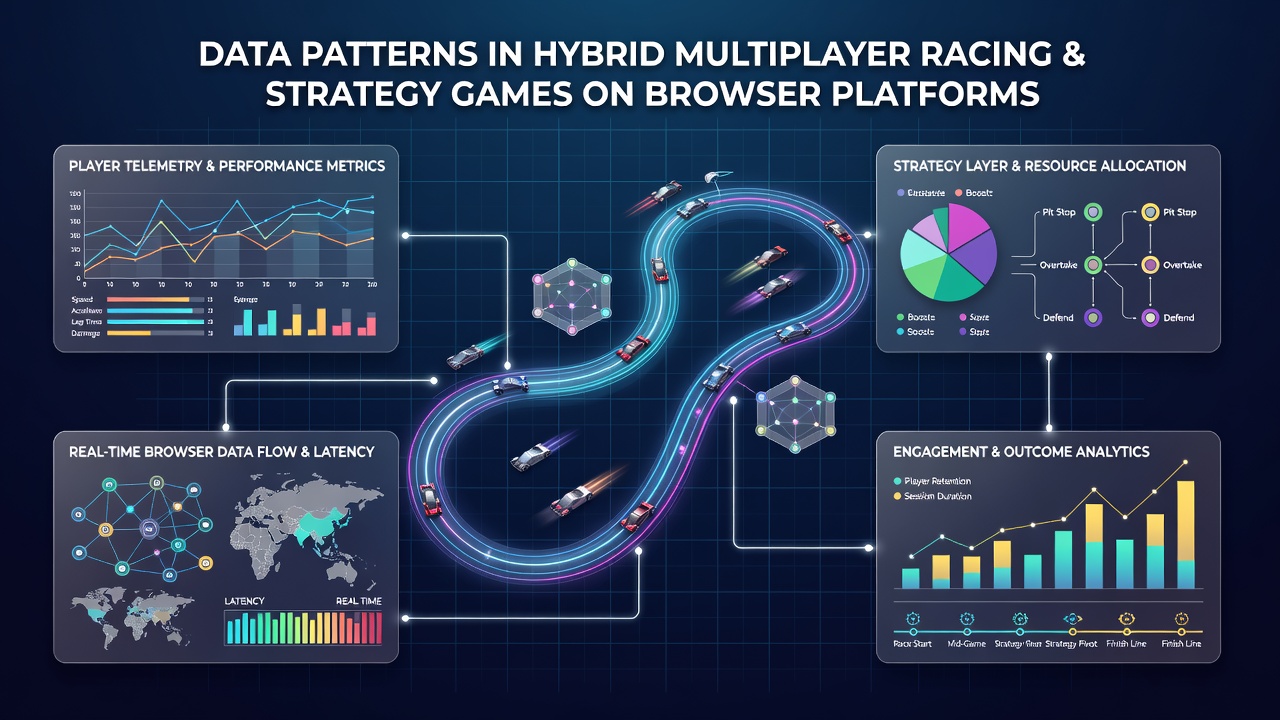
Hybrid multiplayer racing and strategy games on browser platforms combine high-speed competition with tactical decision-making, and data analysts track these elements through session durations, resource allocation rates, and route optimization frequencies that emerge during live matches. Researchers collect telemetry from thousands of simultaneous users to identify recurring sequences such as early-game positioning choices followed by mid-race power-up management, and these sequences appear consistently across different titles regardless of visual theme or specific rule sets.
Core Data Collection Methods
Developers log player inputs at millisecond intervals while servers record latency, packet loss, and device type, which allows teams to correlate hardware performance with strategic success rates. Observers note that browser-based environments produce distinct patterns compared to native apps because session persistence depends on tab activity and connection stability rather than dedicated client software. Studies from the Entertainment Software Association reveal that average match lengths in these hybrids range between eight and fourteen minutes when participants engage in both racing and resource planning simultaneously.
Player Behavior Trends Across Regions
Data indicates North American users favor aggressive overtaking strategies early in races whereas European cohorts tend to conserve items for defensive positioning during later laps. Australian industry reports compiled by the Interactive Games and Entertainment Association show similar splits when players queue during peak evening hours, with strategy elements influencing win probabilities more heavily after the first three minutes of play. Matchmaking systems adjust pairings based on historical win streaks and average decision speed to maintain competitive balance across mixed-skill lobbies.
Technical Patterns in Browser Environments
Browser constraints shape how data flows because WebSocket connections handle real-time updates while local storage tracks temporary progress between page reloads. Analysts observe that drop rates spike when players switch tabs or experience network jitter above fifty milliseconds, and these interruptions create measurable gaps in strategy execution that racing-focused participants rarely recover from fully. Performance metrics collected in July 2026 across major platforms demonstrate that games optimized for WebGL deliver smoother frame timing, which in turn correlates with higher completion rates for complex multi-lap objectives.
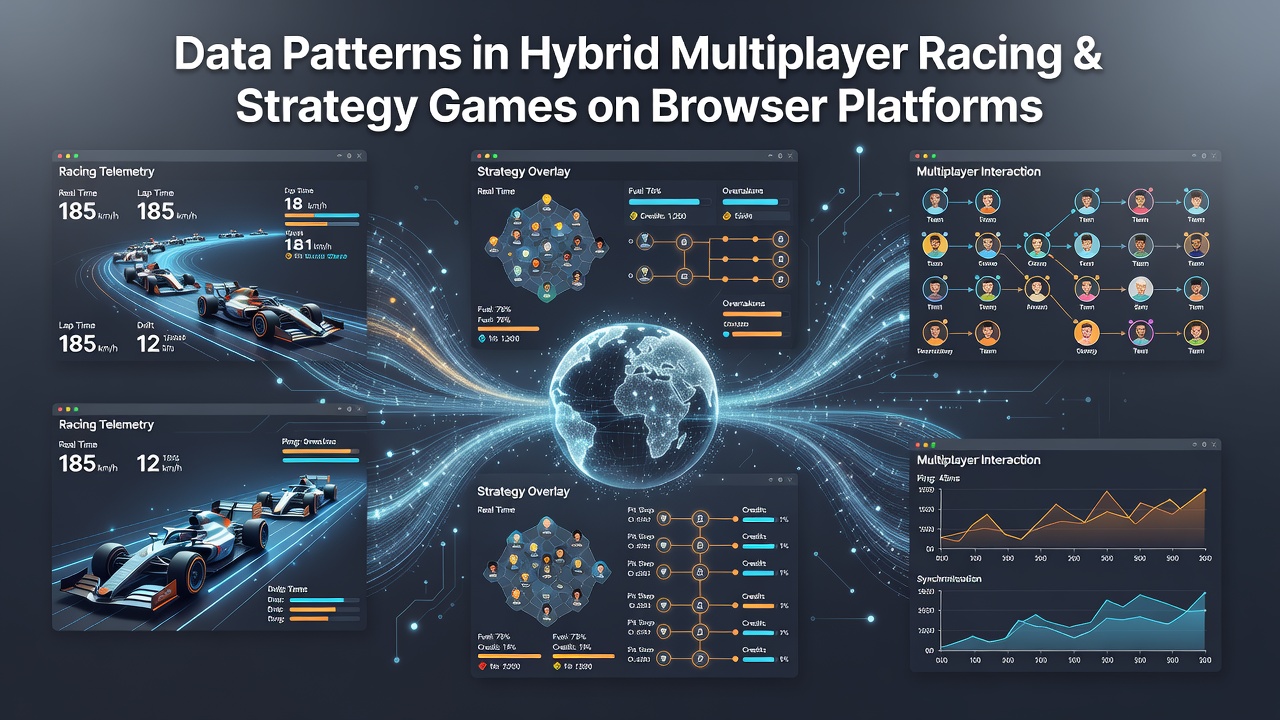
Resource management logs reveal that successful players allocate fuel or boost points at predictable intervals, typically after completing the second lap or when three or more opponents cluster within a narrow track segment. These decision trees allow predictive models to estimate final standings with increasing accuracy as matches progress.
Matchmaking and Retention Metrics
Algorithms weigh both speed records and tactical efficiency scores when forming groups, which prevents pure racers from dominating players who excel at long-term planning. Retention data shows participants return more frequently when they experience close finishes that involve strategic comebacks rather than straightforward speed victories. Figures from university-led research initiatives highlight that hybrid titles retain users for an average of four to six weeks longer than pure racing or pure strategy counterparts because the dual skill ceiling encourages repeated experimentation.
Emerging Patterns in Mid-2026
As of July 2026, cross-platform data streams indicate rising interest in asynchronous strategy layers where players pre-plan routes before entering live races, and these pre-planned choices influence real-time outcomes in measurable ways. Browser developers continue refining compression techniques that reduce payload sizes for map data and opponent positions, which supports larger simultaneous player counts without degrading decision quality. Patterns in error logs suggest that mobile browser users encounter more frequent input delays during high-density sections of tracks, prompting designers to adjust collision tolerances accordingly.
Conclusion
Comprehensive tracking of data patterns in these hybrid games continues to refine both competitive balance and technical delivery on browser platforms, and ongoing analysis supports incremental improvements that benefit players across varied connection qualities and device types.