Digital Playgrounds: How Cost-Free Web Games Reach Global Users in 2026
Written by Carlo Keller · Aug 26, 2026
Digital Playgrounds: How Cost-Free Web Games Reach Global Users in 2026
Free online games have expanded steadily since the early days of internet browsers, and data from industry reports shows millions of users accessing these titles daily without downloads or payments. In August 2026 observers note continued growth in browser-based options that run on standard hardware, while developers focus on HTML5 standards and cloud streaming to maintain compatibility across devices. Researchers from the Entertainment Software Association highlight that the sector reached an estimated 1.8 billion players worldwide by mid-2025, with projections indicating further increases through the following year.
Historical Development of Browser Games
Early web games relied on plugins such as Flash and Java, yet those formats declined after major browsers phased out support around 2020. Developers shifted to native web technologies, and companies like those tracked by the Interactive Software Federation of Europe documented a transition period where thousands of titles migrated to new frameworks. This change allowed games to load faster on mobile connections, and studies from Canadian academic institutions found that load times dropped by an average of 40 percent after the shift.
Popular Categories and Player Engagement
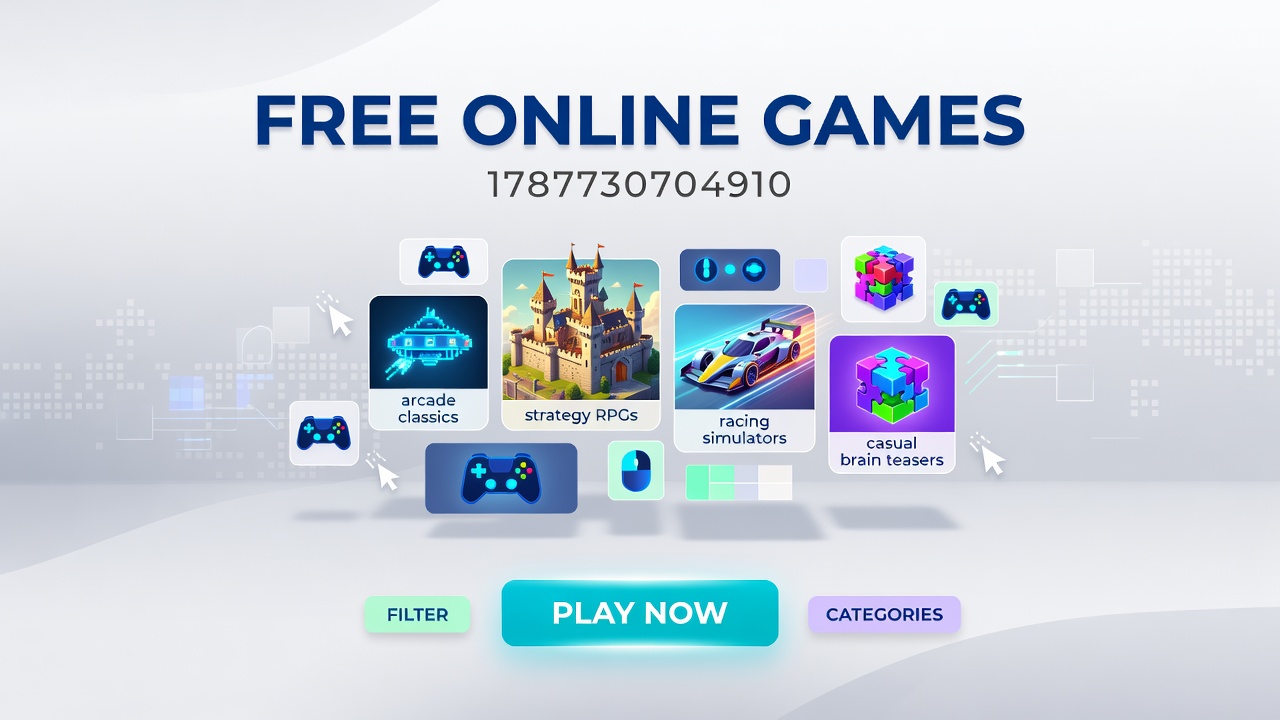
Action titles, puzzle challenges, strategy simulations, and casual matching games continue to dominate traffic statistics on major portals. According to figures released by the Australian Classification Board, puzzle games account for roughly 35 percent of sessions among users aged 18 to 34, while strategy options attract older demographics who prefer longer play sessions. These patterns emerge because many platforms offer quick entry points that require no registration, and data indicates repeat visits rise when progress saves automatically in the cloud.

Technical Infrastructure Supporting Accessibility
Modern free online games operate through WebGL and WebAssembly, technologies that enable 3D rendering and complex logic directly in the browser. Reports from the European Games Developer Federation note that over 70 percent of new releases in 2025 incorporated these tools, reducing the need for separate client software. Network optimization also plays a role, since servers hosted in regional data centers cut latency for players in Asia, Europe, and the Americas simultaneously. In August 2026 several platforms introduced improved mobile touch controls that adapt automatically to screen size, a feature developers credit with increasing session lengths on tablets and smartphones.
Regional Distribution and Regulatory Context
Access varies by country because of differing content rules and payment restrictions. Government agencies in Japan track browser game usage separately from console markets, and their 2025 survey showed domestic players spending an average of 12 hours per week on free titles. Meanwhile, research institutions in Brazil documented higher mobile-only participation rates, largely due to widespread smartphone ownership and limited home broadband in some areas. These regional differences influence which genres gain traction, with racing and sports simulations proving especially popular in Latin American markets.
Monetization Models Without Upfront Costs
Many free online games generate revenue through optional advertisements and cosmetic purchases rather than mandatory fees. Industry analysts at the Entertainment Software Association report that ad-supported models represent the primary income stream for 60 percent of browser-based studios, while in-game item sales contribute the remainder. Transparency guidelines from regulatory bodies in South Korea require clear labeling of these options, and compliance data from 2025 shows most major portals adhere to those standards. Players who choose not to spend still receive the full core experience, a design choice that helps maintain broad accessibility.
Future Outlook as of August 2026
Upcoming developments include deeper integration with virtual reality headsets that support web standards, along with artificial intelligence features that adjust difficulty in real time. Organizations monitoring global internet traffic expect browser gaming to capture an increasing share of casual entertainment hours, especially as 5G networks expand in rural regions. Educational institutions have also begun incorporating select free online titles into curricula, citing studies that link certain puzzle formats to measurable improvements in spatial reasoning among students.
Conclusion
Free online games remain a significant segment of digital entertainment because they lower barriers to entry while delivering varied experiences across genres and devices. Continued technical improvements, combined with evolving regulatory frameworks in multiple regions, support sustained participation through 2026 and beyond. Observers tracking usage metrics anticipate that new accessibility features will draw additional users who previously faced hardware limitations, ensuring the category stays relevant in an expanding media landscape.