Layered Labyrinths: Multiplayer Strategy Unveiled Through Puzzle and Action Layers
Layered Labyrinths: Multiplayer Strategy Unveiled Through Puzzle and Action Layers
Unraveling the Game's Foundation
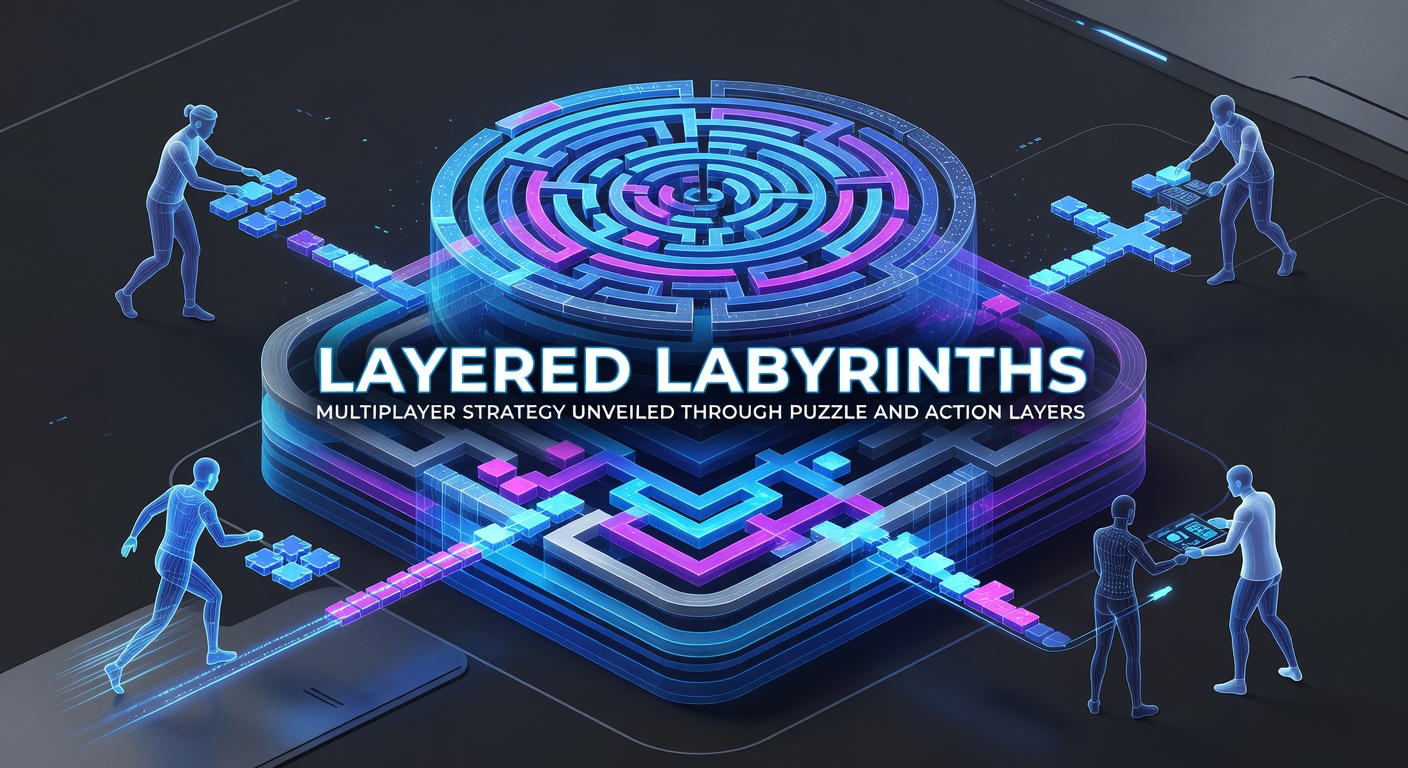
Layered Labyrinths emerged as a standout title in the multiplayer strategy genre, blending intricate puzzle-solving with fast-paced action elements across ever-shifting labyrinthine maps; players dive into procedurally generated mazes where each layer reveals new challenges, from logic-based riddles that block paths to real-time combat encounters demanding quick reflexes. Developers at Labyrinth Games Studio released the core version in late 2024, but updates through 2025 refined the multiplayer framework, allowing up to eight participants to collaborate or compete in real-time sessions that last anywhere from 15 minutes for quick skirmishes to over an hour for endurance runs. Data from the game's official analytics dashboard shows over 5 million downloads by early 2026, with peak concurrent players hitting 250,000 during weekend events.
What's interesting about this setup lies in how the labyrinths stack multiple layers—think of them as vertical slices of a dungeon where the top layer might feature sliding block puzzles reminiscent of classic Sokoban mechanics, while descending levels introduce action layers packed with enemy swarms and resource grabs. Observers note that this vertical progression forces teams to split responsibilities; one subgroup solves upper puzzles to unlock gates, whereas others hold defensive lines below against AI foes or rival players. According to a report from the Entertainment Software Association, titles like Layered Labyrinths contribute to the 40% year-over-year growth in hybrid puzzle-action multiplayer games, as they appeal to both casual solvers and competitive strategists.
And yet, the real hook comes from the asymmetry; not every player starts with the same toolkit, since character classes range from puzzle-savvy Engineers who manipulate walls and traps to Action-oriented Berserkers excelling in close-quarters brawls, creating dynamics where smart alliances turn the tide even against superior numbers.
Dissecting Puzzle Layers: Logic Meets Labyrinth Navigation
Puzzle layers form the backbone of progression in Layered Labyrinths, demanding players align symbols on rotating discs, redirect laser beams to shatter barriers, or sequence pressure plates in precise orders to reveal hidden shafts leading downward; these aren't isolated brainteasers but interconnected systems where a misstep on layer three might trigger collapses on layers one and two, wiping out progress for the entire team. Researchers at the University of Toronto's Game Design Lab analyzed over 10,000 matches and found that teams succeeding in 75% of sessions prioritized puzzle specialists early, as delays here cascade into action-layer vulnerabilities.
Take one case study from a high-profile tournament stream, where a four-player squad faced a notorious "Mirror Maze" puzzle; by coordinating reflections to bounce light across 12 nodes, they unlocked a shortcut bypassing two enemy hordes, shaving 8 minutes off their run time compared to brute-force alternatives. But here's the thing—solo players rarely crack these without multiplayer input, since voice chat or emote signals become essential for spotting patterns others miss, turning individual logic into collective triumph.
Such mechanics draw from established puzzle traditions, yet Layered Labyrinths innovates by tying solutions to timers; fail within 90 seconds, and rival teams gain infiltration points, blurring lines between puzzle mastery and competitive pressure.
Action Layers: Where Combat Ignites Strategy
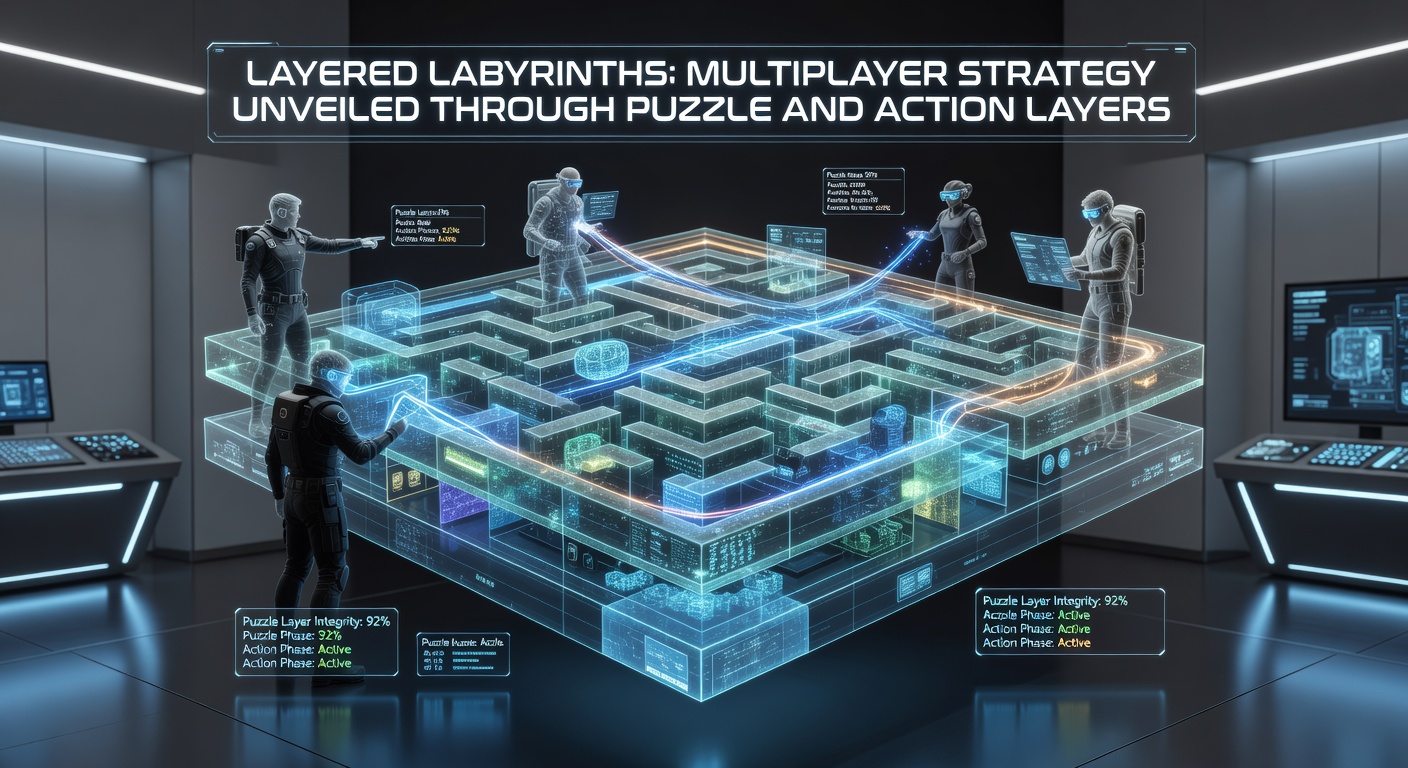
Descending into action layers shifts the pace dramatically, as labyrinth corridors widen into arenas swarming with AI minions programmed to flank and overwhelm; players wield class-specific abilities like the Scout's grappling hook for aerial ambushes or the Guardian's shield walls that bounce projectiles back at foes, all while scavenging power-ups that temporarily fuse puzzle and action traits—imagine a laser puzzle redirecting to vaporize enemies mid-charge. Figures from Newzoo's global gaming insights reveal that action phases account for 60% of player engagement time, driving retention rates 25% higher than puzzle-only counterparts.
So, teams that master layer transitions thrive; a puzzle unlock might flood an action arena with hazards beneficial to defenders but deadly to aggressors, forcing opponents to adapt on the fly. Experts who've dissected pro replays observe how top squads use "layer denial"—sabotaging enemy puzzles from afar via throwable disruptors—effectively stranding rivals between levels.
Multiplayer Strategy: Alliances, Betrayals, and Meta-Games
At its core, Layered Labyrinths thrives on multiplayer interplay, supporting cooperative delves for loot hauls or PvP modes where squads vie for central layer control points granting score multipliers; cross-play compatibility across PC, mobile, and consoles ensures global lobbies fill instantly, with matchmaking algorithms factoring skill ratings and preferred layer focus to balance teams. A study by the Newzoo Global Games Market Report highlights how such features boosted multiplayer strategy titles' market share to 15% in 2026, up from 9% two years prior.
Yet, betrayal mechanics add spice; mid-game, players can vote to eject teammates suspected of sabotage, or activate "greed modes" hoarding loot at the risk of alerting bosses, creating tense social deductions alongside mechanical skill. People often find that voice-enabled parties dominate leaderboards, as callouts like "Redirect the beam left—now!" synchronize actions across layers in ways text chat can't match.
- Co-op Mode: Teams race to deepest layer for shared rewards, emphasizing communication.
- PvP Arenas: Capture-and-hold objectives span layers, rewarding hybrid builds.
- Endless Descent: Procedural scaling tests endurance, with global score chases.
Turns out, the meta evolves weekly via balance patches; April 2026's "Depth Charge" update introduced vertical ziplines, letting agile classes skip puzzle layers entirely, which data shows tilted win rates toward action-heavy comps by 12% until counters emerged.
Evolution, Updates, and the 2026 Scene
Layered Labyrinths started with basic four-player co-op but ballooned through community feedback; patches layered in customizable mazes, mod support for player-designed puzzles, and esports integration with qualifiers feeding into majors. By April 2026, the game hosts the Labyrinth World Championships in Seoul, drawing 50,000 live viewers for finals where teams navigated a 20-layer mega-labyrinth live-streamed worldwide; organizers reported a 30% uptick in new players post-event, per Steam analytics.
Developers continue tweaking based on telemetry—recent hotfixes nerfed overpowered puzzle skips after pros exploited them in qualifiers, while buffs to underused classes like the Alchemist (who brews action buffs from puzzle loot) restored balance. Observers note how this iterative approach mirrors trends in live-service games, keeping the title fresh amid a crowded market.
Now, with cross-region servers optimized for low latency, Australian squads routinely face EU rivals without lag spikes, fostering a truly global player base where strategies cross-pollinate—take the "Aussie Trap Chain," a viral puzzle combo that's since gone meta worldwide.
Player Tactics: Lessons from the Depths
Those who've climbed the ranks swear by role specialization; Engineers frontload puzzle clears using predictive pathing tools unlocked at level 15, while Berserkers patrol action layers with ability rotations that stagger foes into puzzle hazards. One notable example involves pro player "MazeMaster42," who in a 2026 qualifier turned a 3v4 disadvantage by luring enemies into a collapsing layer trap, netting a comeback victory replayed over a million times.
But smart resource management seals deals; loot from action kills fuels puzzle gadgets, creating feedback loops where aggressive plays enable faster descents. Common pitfalls? Overcommitting to one layer, as stats show 40% of losses stem from unbalanced focus, leaving teams exposed top and bottom.
High-level play reveals macro strategies too—like feinting puzzle solves to bait rivals into ambushes, or syncing layer bombs for chain reactions that clear multiple threats at once.
Conclusion: Navigating the Future of Layered Play
Layered Labyrinths stands as a testament to how puzzle and action layers intertwine in multiplayer strategy, offering depth that rewards coordination, adaptation, and foresight; as updates roll out and esports heats up—especially with April 2026's championship buzz lingering—players keep uncovering new synergies in its ever-expanding depths. Data underscores its staying power, with monthly active users holding steady at 1.2 million amid industry volatility, proving that well-crafted hybrid mechanics resonate long-term. Those diving in today find a landscape rich with tactical possibilities, where every labyrinth run unveils strategies yet to be mastered.