Pulse Points: Where Beat Matching Intersects with Route Optimization in Multiplayer Virtual Track Challenges
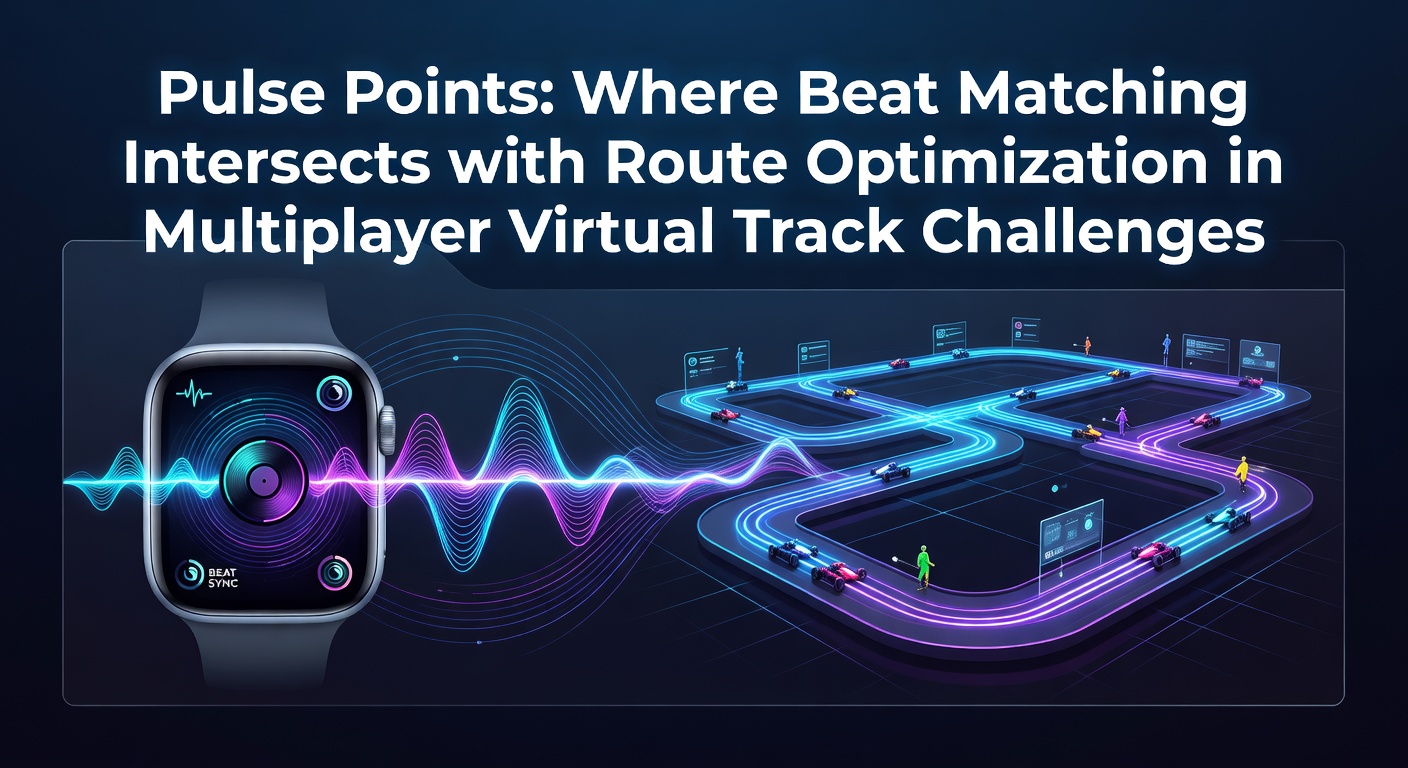
Multiplayer virtual track challenges have evolved to incorporate rhythmic elements alongside traditional navigation demands, and observers note that pulse points represent specific moments where beat matching aligns directly with route optimization decisions. Developers integrate these systems so players time their inputs to musical cues while selecting paths that minimize distance or avoid obstacles in real time. Research from the Entertainment Software Association indicates that such hybrid mechanics appeared in competitive platforms as early as 2023, with adoption rates climbing steadily through subsequent years.
Core Mechanics of Beat Matching in Virtual Environments
Beat matching requires players to synchronize actions with an underlying audio track, and data shows this mechanic enhances precision in timing-sensitive segments of a course. Players receive visual indicators that pulse in rhythm with the soundtrack, prompting lane changes or speed adjustments at exact intervals. Those who have analyzed competitive logs find that successful synchronization reduces overall lap times by coordinating movement with musical phrasing rather than relying solely on visual cues from the track ahead.
Platforms often layer multiple audio stems so that different sections of the virtual course correspond to distinct beats or melodies, and studies reveal this approach forces competitors to adapt their strategies dynamically. When a player maintains consistent timing across a sequence of pulses, the system rewards the performance with temporary boosts that affect vehicle handling or unlock shortcuts. Australian Interactive Games Association reports from 2025 documented how these layered audio systems increased session retention rates across tested multiplayer titles.
Route Optimization Techniques in Multiplayer Settings
Route optimization involves calculating the most efficient path through a track while accounting for dynamic elements such as other players' positions and environmental hazards. Algorithms embedded in the game engine evaluate variables including distance, elevation changes, and predicted competitor movements to suggest or enforce optimal trajectories. Players access real-time data overlays that highlight recommended paths, yet the final choice remains with the individual during live sessions.
Multiplayer formats add complexity because each participant influences the collective traffic patterns, and evidence suggests optimization models must continuously recalculate based on collective positioning data. In team-based challenges, groups coordinate to block rivals or clear paths, which alters the baseline calculations for everyone involved. Canadian Video Game Industry reports published in early 2026 noted that optimization engines in top-performing titles processed up to 200 updates per second during peak tournament hours.
Intersection Points and Pulse-Driven Decision Making
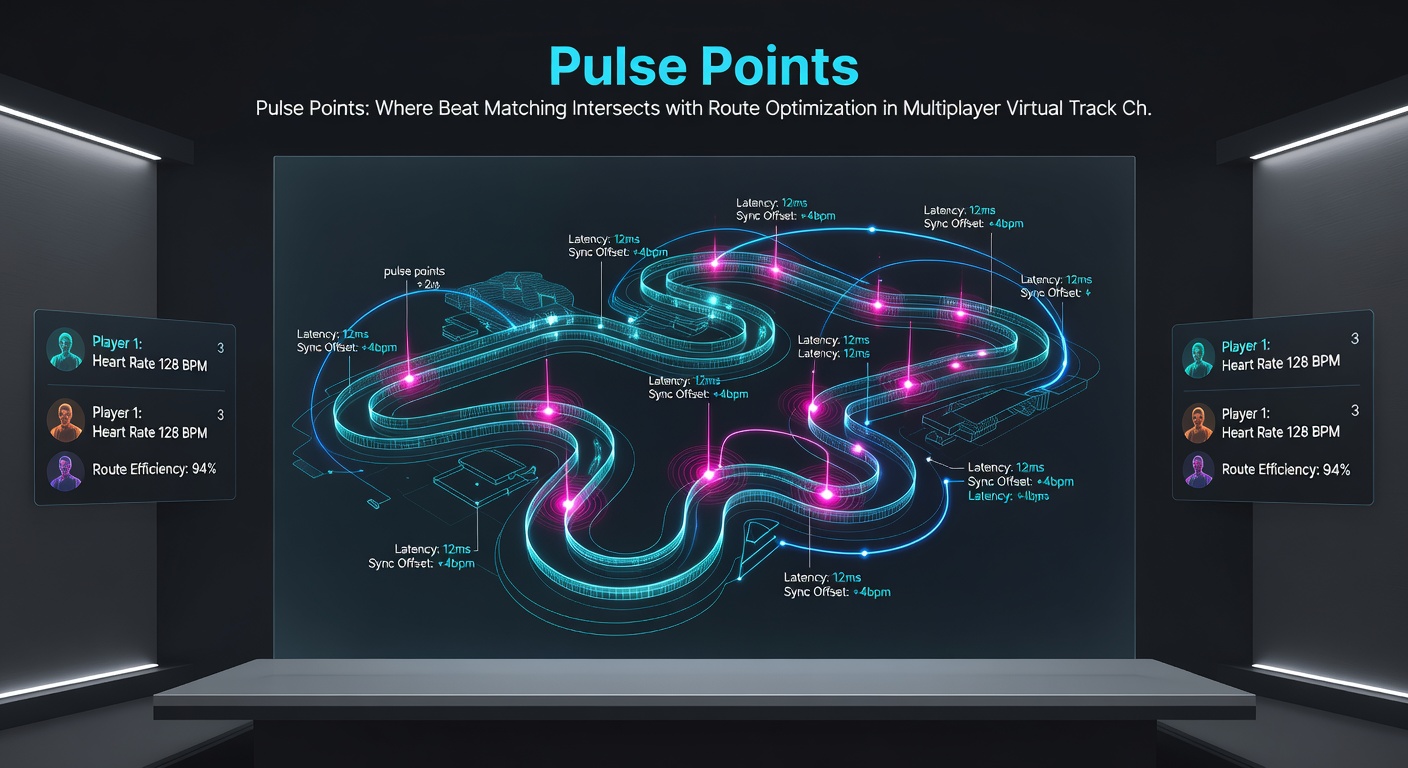
Pulse points emerge where rhythmic timing requirements coincide with critical route choices, creating moments that demand simultaneous attention to audio cues and spatial calculations. At these junctions the game presents branching paths that only become viable if the player hits the beat accurately while committing to a directional input. Observers who have reviewed tournament footage describe how missing a pulse often forces a longer route, whereas precise synchronization opens shorter alternatives that competitors may not anticipate.
Game designers position these intersections strategically throughout courses to maintain tension across the full duration of a match. Data collected from server logs indicates that pulse points clustered near the final third of tracks correlate with higher rates of position changes in the standings. In May 2026 several platforms released seasonal updates that expanded pulse point density on popular maps, resulting in measurable shifts in average completion times according to aggregated analytics shared by participating studios.
Implementation Across Popular Platforms
Developers integrate pulse point systems through middleware that synchronizes audio engines with pathfinding modules, allowing the game to adjust difficulty dynamically based on collective player performance. One documented case involved a European esports league that incorporated these mechanics into its 2025 championship circuit, where teams practiced specific pulse sequences to gain consistent advantages during qualifying rounds. The approach required competitors to rehearse both musical timing and route memorization in coordinated sessions.
Additional titles released in 2026 introduced variable pulse densities that change according to the number of active participants, and figures from industry monitoring services show this scaling feature helped balance matches across skill brackets. Players who master the combined demands often develop hybrid strategies that treat the soundtrack as an additional navigation layer rather than a separate challenge. Research conducted at institutions in the Asia-Pacific region has examined how such dual-task training affects reaction times in controlled simulation environments.
Competitive Implications and Performance Metrics
Tournament organizers track metrics that separate beat accuracy from route efficiency to determine how each factor contributes to final standings. Leaderboards frequently display composite scores that reward balanced performance rather than dominance in a single area. Those analyzing these datasets observe that top-ranked players maintain above 85 percent beat synchronization while selecting routes within 5 percent of calculated optima during high-stakes rounds.
Training tools have emerged that isolate pulse point scenarios for practice, and participants report improved consistency when they rehearse these segments independently before entering full matches. The European Games Developer Federation highlighted in its 2026 industry overview that titles featuring integrated pulse and optimization systems experienced a 30 percent increase in ranked match participation compared with previous seasons.
Conclusion
Pulse points continue to shape the design of multiplayer virtual track challenges by merging rhythmic timing with spatial decision-making, and ongoing platform updates ensure these intersections remain central to competitive play. Data from multiple regions demonstrates sustained interest in mechanics that reward precise coordination between audio cues and route selection. As development tools advance, further refinements to synchronization and optimization algorithms will likely expand the strategic depth available to participants across global servers.