Resource Scarcity Simulations: Parallels Between Arcade Classics and Modern Strategy Multiplayer Experiences
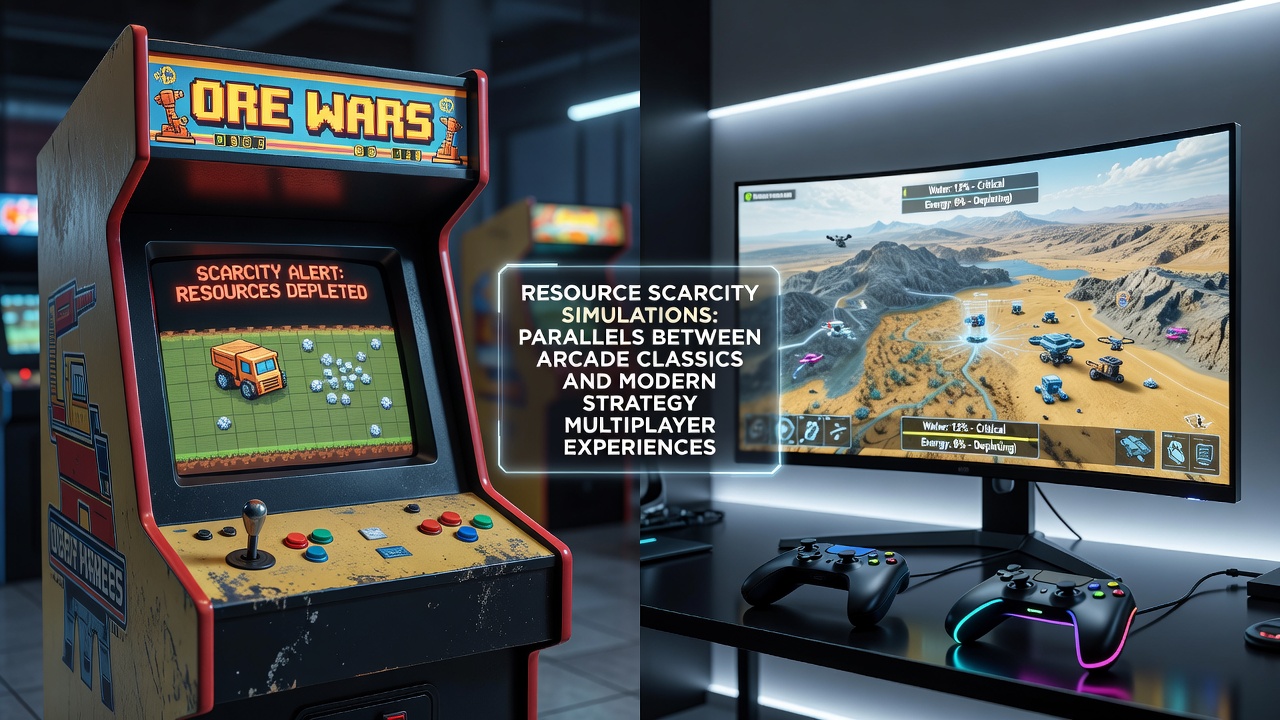
Resource scarcity has shaped game design since the earliest arcade machines appeared in the late 1970s, and the same mechanics continue to drive engagement in contemporary multiplayer strategy titles. Early cabinets limited player actions through finite lives, fuel counters, and time-based scoring systems that forced rapid decisions under pressure. Those constraints created tension because every action carried permanent consequences within a single play session.
Arcade Foundations of Scarcity
Designers working on titles such as Asteroids and Defender incorporated limited ship reserves and ammunition counts that players had to manage while enemies approached. The same principle appeared in Missile Command where missile silos held finite interceptors and cities faced destruction once resources ran out. These systems rewarded conservation while punishing waste because the cabinet could not reload or reset during active play.
Observers note that high-score tables rewarded players who stretched limited assets across successive waves. Data collected by arcade operators in the 1980s showed that games featuring clear resource meters retained quarters longer than titles without visible limits. That retention pattern influenced later console ports and home computer adaptations that preserved the same counters.
Transition to Persistent Multiplayer Worlds
Modern strategy experiences carry scarcity mechanics into shared servers where thousands of participants compete for the same digital materials. Real-time strategy franchises such as StarCraft maintain mineral and vespene gas nodes that deplete over time, compelling teams to expand or starve. Multiplayer online battle arena titles apply parallel limits through cooldown timers and mana pools that restrict spell frequency.
Persistent worlds add layers because resources regenerate on schedules visible to all participants. Players coordinate collection routes and defend nodes against rival factions because loss of access translates directly into lost production capacity. Industry reports from the Entertainment Software Association indicate that titles built around these loops accounted for a significant share of playtime hours logged in 2025.
Shared Design Patterns Across Eras
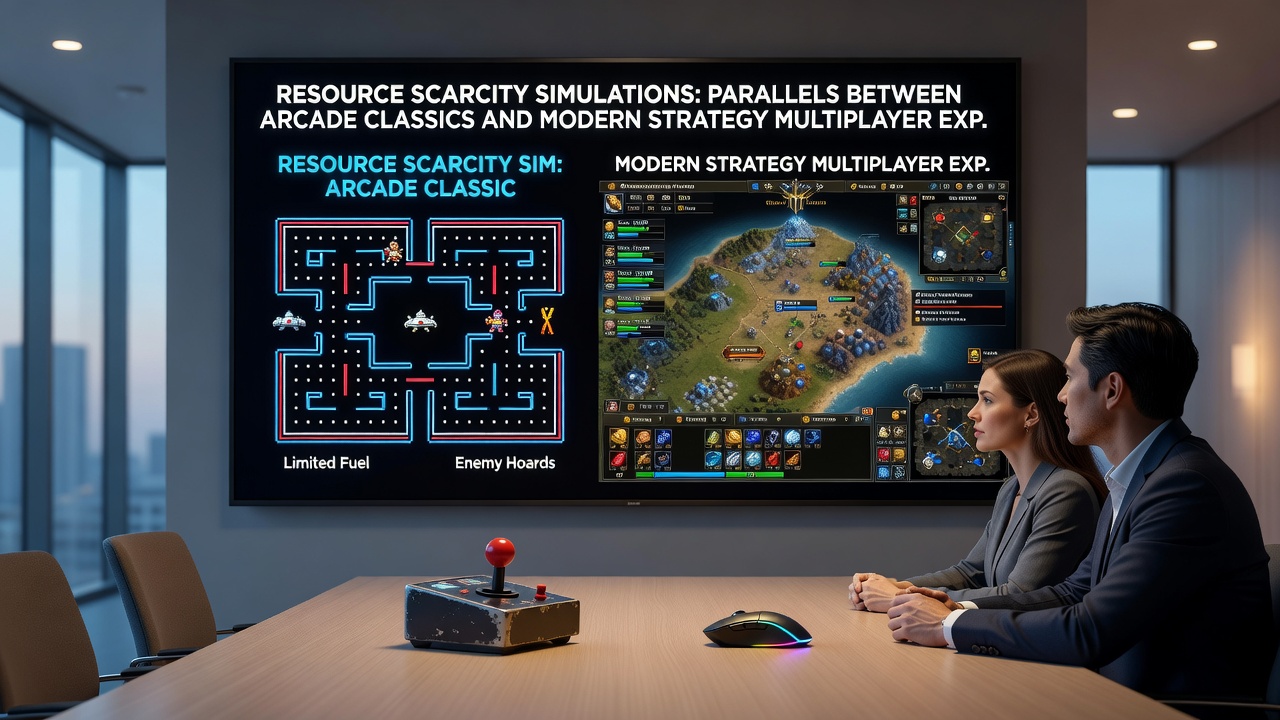
Both eras rely on visible meters and immediate feedback when supplies fall short. Arcade players watched a numeric life counter drop with each collision while contemporary interfaces display shrinking ore stockpiles and production queues that stall without input. The visual language remains consistent because clear information lets participants adjust strategy before total depletion occurs.
Research from the University of Alberta's Game Studies Lab demonstrates that scarcity systems increase cognitive load in predictable ways regardless of platform. Participants in controlled studies allocated attention between short-term survival and long-term expansion when resources appeared finite. The same study found that removing visible limits reduced session duration and lowered reported engagement scores across both arcade emulations and current online matches.
June 2026 Developments
During the June 2026 Electronic Entertainment Expo circuit, several studios announced updates that refine scarcity parameters for seasonal events. New node rotation schedules and temporary resource droughts appear in upcoming patches for established franchises. These changes continue the tradition of testing player adaptation within controlled scarcity windows.
Regional data released by the Australian Interactive Games Association shows rising participation in tournaments that emphasize resource denial strategies. European developers meanwhile introduced cross-server trading systems that allow surplus materials to move between regions while preserving overall scarcity on each shard.
Case Studies in Parallel Mechanics
One documented example involves the evolution of base-building loops. Early arcade titles such as Robotron offered power-up pickups that vanished if ignored, forcing split-second choices between immediate power and future survival. Contemporary survival strategy games replicate that tension through harvest windows that close after set intervals and leave players exposed if they delay collection.
Another parallel appears in expansion incentives. Arcade machines rewarded continued play by increasing enemy density as resources dwindled, pushing players toward riskier maneuvers. Modern ladder systems apply similar pressure by raising opponent resource efficiency at higher ranks, compelling expansion into contested territory or elimination from competition.
Conclusion
Resource scarcity remains a foundational tool that links 1980s arcade cabinets to today's large-scale multiplayer environments. The core loop of limited assets, visible feedback, and adaptive decision-making persists across hardware generations and business models. Developers continue to refine these parameters through seasonal updates and tournament structures that maintain competitive tension while preserving the original principle that every unit spent carries lasting weight.